
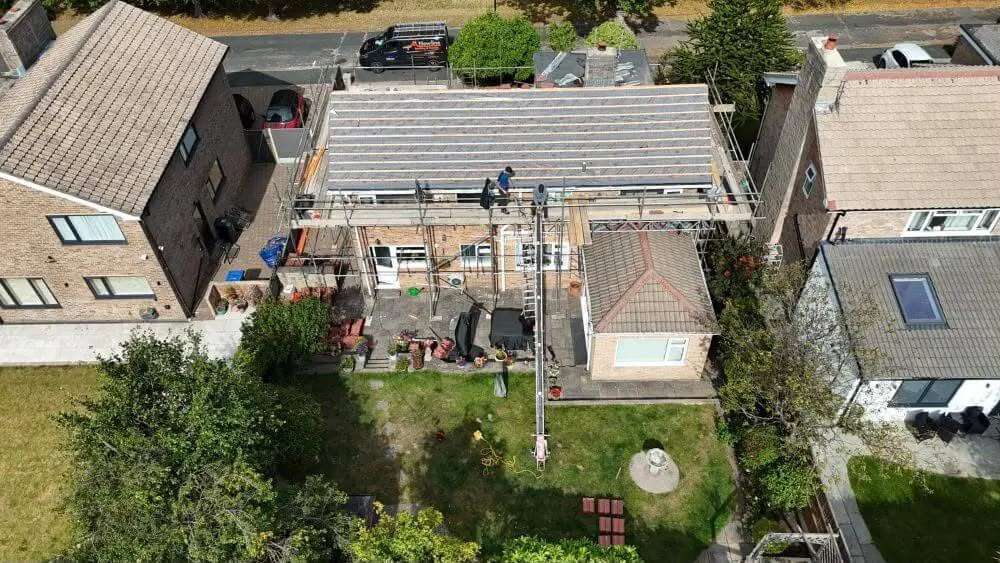
Someone looking for a roofer may be dealing with a leak, planning a replacement roof or comparing firms for work on an extension. Their questions are not the same. A useful roofing website recognises those different journeys instead of sending everybody to one long services page.
The goal is to help a visitor understand the work you undertake, where you operate, what evidence you can show and what happens when they contact you. Attractive design matters, but clarity matters more when someone needs a sensible decision about their property.
Start with the types of roofing work you actually offer
A homeowner searching for a roof repair wants to know whether you handle slipped tiles, flashing, storm damage and leaks. Someone planning a new roof may be interested in materials, timescales and how the initial survey works. A customer with a garage or extension may need information about flat roofing rather than pitched tiles.
Those are good reasons for separate service pages when the business genuinely provides those services. Each page should explain the usual enquiry, the work the company can assess, what affects the scope and the next step. Do not simply repeat the same paragraph under different headings.
A practical starting structure might include:
- A homepage explaining the business, its main services and its genuine operating area.
- Dedicated pages for roof repairs, replacement roofs and flat roofs, where offered.
- A roofline page for gutters, fascias and soffits if those are real services.
- A work gallery with captions identifying the type of work and approximate location when permission allows.
- A contact page that works properly on a phone.
Our roofing website design page shows how this can sit together as a coherent customer journey.
Show proof without making the gallery do all the explaining
A photograph of a completed roof can be reassuring, but it is more informative with a short factual caption. Was the work a tile repair, a full replacement or new guttering? Was the photograph taken before, during or after the job?
Use original, approved business images wherever possible. Stock photographs may illustrate a material or roof style, but they must not be presented as the company’s own projects. Never invent the address, customer feedback or outcome of a job to make the gallery sound impressive.
If customers have left genuine reviews, display them accurately and link to the source where suitable. A handful of specific, authentic examples is more useful than dozens of vague claims.
Make local coverage credible
It is reasonable for a roofing business to explain the towns and villages it covers. A genuinely useful location page may describe travel coverage, the services commonly requested there and how customers can arrange an inspection.
That does not justify publishing twenty identical pages with place names swapped. Google advises website owners to create helpful, people-first content. A page only deserves its own URL when it gives people information that is meaningfully different.
Where your business does not have a public office, do not imply that it has premises in each target town. Explain the service area honestly.
Help visitors judge whether to enquire
Many people are unsure what a roofing visit involves. Briefly explain how to request a quote, which photographs or measurements might help and whether you carry out an initial assessment before pricing work. Clarify whether urgent callouts are offered instead of assuming every visitor needs the same contact route.
A helpful contact form can ask for the postcode, property type, nature of the issue and preferred contact details. Allow a short description, and consider optional photos. Keep the form manageable on mobile and test that submissions genuinely reach the business.
Display the phone number clearly, especially for customers who would rather discuss a problem before completing a form.
Answer questions carefully rather than promising a diagnosis
Roofing content can educate without replacing an inspection. An article about water getting into a roof can explain common warning signs and when to seek professional help, but a website should not confidently diagnose a leak from a photograph.
Likewise, avoid promising an exact repair price without knowing access, materials, roof condition and the work required. A clear explanation of what affects cost is usually more credible than a misleading starting price.
Safety matters too. Advice should not encourage untrained homeowners to climb onto wet roofs or inspect dangerous structures themselves.
Make the site easy to use and easy to maintain
Check that each important page has a descriptive title, a clear main heading, working internal links and relevant image descriptions. Use a layout that lets visitors read service details and contact the company without fighting a menu.
Before replacing an existing website, identify pages that already attract useful searches and plan redirects for any URLs that change. Losing established service pages during a redesign can undo valuable visibility.
The Google Search Central SEO starter guide is a useful reference for site structure, titles and understandable links. None of these basics guarantees a particular ranking, but they make the website easier for both customers and search engines to understand.
Build around the decisions customers need to make
A roofing website should help visitors see the difference between your services, trust the evidence you provide and get in touch confidently. Start with the pages that answer real enquiries, then add further guidance where it genuinely helps.
At Prunus Media, we plan business website design around those decisions, with local search and technical foundations built in. If your roofing website makes people work too hard to understand what you offer, talk to us about improving it.